
Life in Los Angeles is vibrant, fast-paced, and full of stimulation. From bustling sidewalks and busy intersections to crowded parks and outdoor dining patios, the city offers a constant sensory input. While many dogs adapt well, others find urban environments overwhelming, and urban dog training in Los Angeles can help so much!
If your dog pulls on the leash, barks at passing scooters, freezes near traffic, or seems anxious in crowded spaces, they may need structured support. Urban dog training in Los Angeles helps dogs build confidence, improve focus, and navigate real-world challenges more easily.
Training for city life is not just about obedience. It is about emotional resilience, calm decision-making, and staying connected to their handler, even amid distractions. With thoughtful guidance, dogs can learn to feel safe and successful in busy environments.
Why City Life Is Overwhelming for Many Dogs in LA
Urban environments present unique challenges that suburban or rural dogs may never encounter. Loud engines, sirens, construction equipment, cyclists, skateboards, and unfamiliar crowds can all trigger stress responses. These stimuli often appear suddenly and without warning, making it difficult for dogs to predict what will happen next.
Common signs of urban stress include leash-pulling, barking at movement, lunging at other dogs, or freezing and refusing to move. Some dogs become hyper alert, scanning constantly for potential threats. Others shut down emotionally, appearing withdrawn or hesitant. These reactions are not signs of stubbornness. They are signals that the dog is struggling to process the environment. The American Kennel Club estimates that nearly one in three dogs shows signs of noise sensitivity, making stress responses to environmental sounds far more common than many pet parents realize.
Routine disruption can also play a role. Changes in walking routes, unpredictable schedules, and increased exposure to noise may increase tension. Dogs that lack structured exposure to city life may feel uncertain about how to respond, which can lead to reactive behavior.
How Urban Dog Training in Los Angeles Builds Confidence
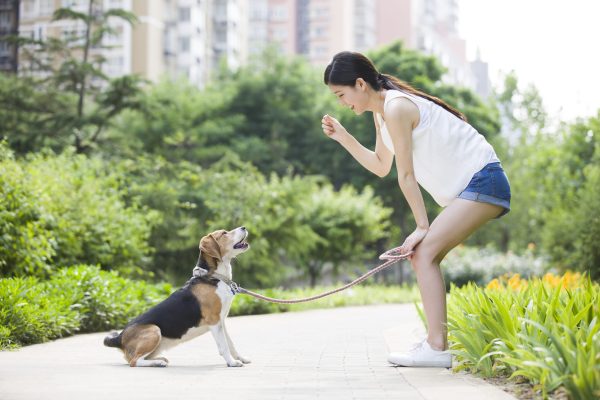
Urban dog training focuses on gradual exposure combined with positive learning experiences. Instead of forcing dogs to face overwhelming situations, trainers introduce new stimuli gradually, allowing dogs to remain calm and engaged.
Exposure training helps dogs become familiar with sights and sounds that once felt intimidating. Desensitization and counterconditioning techniques teach dogs to associate these experiences with positive outcomes. For example, hearing traffic while receiving rewards can shift a dog’s emotional response from fear to neutrality. Veterinary behavior experts highlight the importance of structured, positive exposure when addressing environmental sensitivity and reactivity.
Confidence grows when dogs experience success. Small victories, such as calmly walking past a parked scooter or remaining relaxed near outdoor diners, reinforce the idea that the city is manageable. Over time, dogs begin to trust both the environment and their handler’s leadership.
Foundational Skills for City Dogs
City training begins with essential skills that create safety and clarity. These skills allow dogs to focus even in the presence of distractions.
Loose leash walking is one of the most important foundations. When a dog learns to move calmly beside their handler, both safety and communication improve. Controlled leash skills reduce tension, prevent accidents, and help dogs remain attentive in crowded areas. Practicing leash training in progressively busier environments helps dogs generalize their skills.
Engagement and focus exercises also play a major role. Teaching cues such as name recognition, eye contact, and orientation toward the walker or handler create a reliable communication channel. When dogs know how to check in during moments of uncertainty, they are less likely to react impulsively.
Neutrality around distractions is another critical goal. Urban dogs do not need to greet every person or interact with every passing dog. Instead, they benefit from learning that many stimuli can be observed and ignored. This mindset reduces excitement and frustration while promoting emotional balance.
Sidewalk training is especially important in Los Angeles, where narrow walkways and heavy foot traffic are common. Practicing calm pauses at intersections, maintaining steady movement through crowds, and responding to changes in direction all contribute to safer outings.
Real Life Dog Training in LA vs At-Home Practice
Training skills at home is valuable, but city dogs must also practice in the environments where challenges occur. Real-world exposure allows trainers to address triggers as they appear naturally. This approach builds adaptability and prepares dogs for unpredictable situations.
For example, practicing leash skills in a quiet living room does not fully prepare a dog to navigate a crowded boulevard or pass a construction site. Gradual field sessions introduce complexity step by step. Dogs may begin in quieter neighborhoods before progressing to busier areas.
Urban dog training in Los Angeles often includes work near cafes, parks, and shopping districts. These locations provide controlled opportunities to practice focus, calm greetings, and movement through distractions. Trainers can coach handlers on timing rewards, adjusting distance from triggers, and reading body language.
Consistency is key. Short, positive sessions repeated over time create lasting change. When handlers apply the same strategies during daily walks, dogs begin to feel more secure, and predictable patterns emerge.
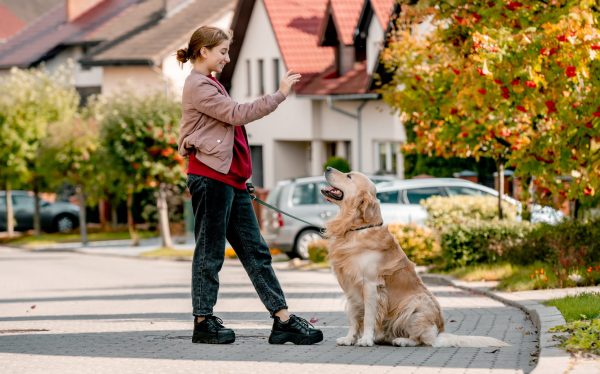
Urban Dog Training in Los Angeles: Building a Confident City Dog
Every dog responds differently to urban challenges. Some need help overcoming fear, while others require guidance to channel excitement productively. Personalized training plans address each dog’s temperament, history, and lifestyle.
Private dog training offers the advantage of tailored instruction in real Los Angeles environments. Trainers can observe how a dog reacts to specific triggers and adjust techniques accordingly. This hands-on approach often leads to faster progress than generic programs.
Urban confidence training also supports long-term behavior goals. Dogs that learn to remain calm in stimulating environments are easier to travel with, accompany to social outings, and integrate into busy households. Their ability to focus enhances safety and strengthens the bond with their handler.
If your dog struggles with busy streets, crowds, or distractions, Pawsitive K9 Solutions offers private training tailored to real Los Angeles environments. These sessions focus on practical skills such as leash control, reducing reactivity, and building confidence. Schedule a consultation and help your dog thrive in the city.
Urban dog training in Los Angeles is about more than managing behavior. It is about empowering dogs to feel comfortable, capable, and connected wherever city life takes them.


Recent Comments