
Last Updated on May 20, 2026 by barketing
Returning to work after spending more time at home can be a significant adjustment for both you and your dog. In Los Angeles, where busy schedules, long commutes, and active neighborhoods are common, dogs often go from constant companionship to extended alone time. Without proper enrichment, this shift can lead to barking, chewing, restlessness, pacing, and stress.
Canine enrichment when you go back to work in Los Angeles is not simply about keeping your dog occupied. It is about supporting emotional regulation, encouraging natural behaviors, and preventing problem behaviors before they begin.
According to the American Veterinary Society of Animal Behavior, enrichment is a critical part of behavioral health and helps reduce stress-related behaviors. When enrichment becomes part of your dog’s daily routine, you are far more likely to see a calm, confident, and adaptable companion.
Mental Enrichment Through Puzzle Toys and Brain Games
Dogs experience the world through scent. Activities that encourage sniffing and problem-solving tap into natural instincts and promote calm focus. The American Kennel Club recommends food puzzles and scent games as effective tools for reducing destructive behavior and improving engagement.
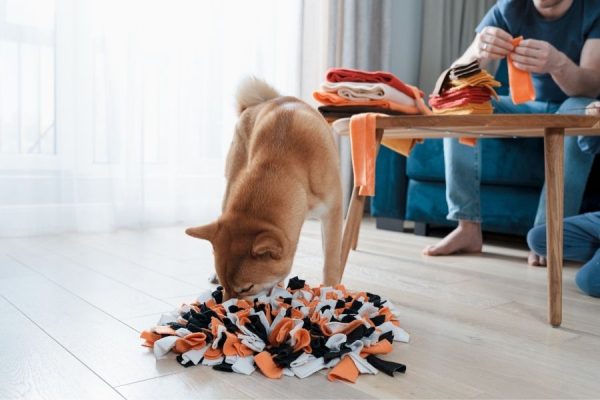
Snuffle mats, treat puzzles, and scent-based games encourage your dog to forage, search, and concentrate. Rotate toys regularly to maintain novelty. Using the same puzzle daily can reduce effectiveness, while rotating options increases engagement.
For dogs adjusting to a new work routine, mental enrichment can significantly reduce stress-related barking and pacing.
Stuffed and Frozen Food Toys for Calm Focus
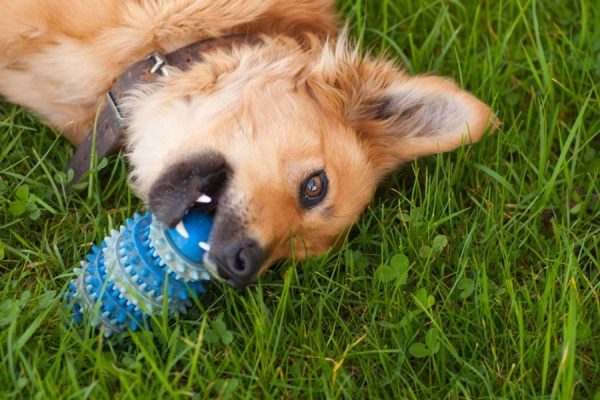
Licking and chewing are naturally soothing behaviors for dogs. Rubber food toys filled with dog-safe ingredients can provide extended engagement and help regulate arousal levels. Safe filling ideas include:
- Plain Greek yogurt
- Mashed banana
- Pumpkin puree
- Xylitol-free peanut butter
Cornell University College of Veterinary Medicine highlights enrichment and safe food engagement as important for behavioral health. Freezing food toys increases duration and challenge, helping your dog stay focused while you prepare to leave for work.
NOTE: Always supervise the first few uses of a new toy to ensure your dog uses it safely.
Interactive Feeding and Food Dispensing Toys
Feeding from a bowl takes seconds. Feeding through enrichment can take 15 to 30 minutes and engage both the brain and the body.
The Association of Professional Dog Trainers supports food-based enrichment as a preventive strategy for boredom and behavioral issues. Instead of serving one large meal before leaving, divide your dog’s food among multiple enrichment devices. This extends engagement and reduces long periods of inactivity.
Technology-based treat dispensers can be helpful for monitoring, but enrichment should encourage independence rather than reliance on remote interaction.
Structured Physical Activity Before and After Work
Mental enrichment is most effective when paired with appropriate physical activity.
Before work, consider:
- A structured training walk
- Impulse control exercises
- Short obedience sessions
- Fetch or tug with rules
Dogs who receive balanced physical and mental stimulation are more likely to rest calmly while alone.
Day Programs and Supervised Social Outlets
Some dogs benefit from structured day programs rather than remaining home alone for extended periods.
At Pawsitive K9 Solutions, our Puppy Day School provides structured enrichment, training, and socialization in a controlled environment. Unlike chaotic daycare environments, our programs focus on:
- Supervised interactions
- Rest cycles
- Confidence-building exercises
- Real-life skill development
For dogs struggling with boredom, anxiety, or destructive behavior, professional guidance makes a measurable difference. Professional organizations like the Pet Professional Guild recommend force-free handling and structured environments in group care settings.
Hiring a Professional Dog Walker or Pet Care Provider
For long Los Angeles workdays, a midday walk can dramatically reduce boredom and stress. The National Association of Professional Pet Sitters provides guidance on selecting qualified professionals.
A quality dog walker should:
- Be insured and bonded
- Understand canine body language
- Reinforce leash manners
- Maintain predictable routines
Midday activity breaks up long periods of confinement and reduces frustration-driven behaviors.
Training as Canine Enrichment
Training is one of the most powerful forms of enrichment. It builds communication, strengthens your relationship, and gives your dog a sense of purpose.
Short daily training sessions can include:
- Impulse control games
- Place or mat training
- Leash skills
- Recall reinforcement
- Scent games
At Pawsitive K9 Solutions, we design personalized training plans that support independence, confidence, and calm behavior when you return to work. Explore our services HERE.
If your dog is struggling with boredom, barking, or anxiety now that you are back at work, you do not have to manage it alone. The team at Pawsitive K9 Solutions provides structured Puppy Day School, private training, and customized behavior plans designed specifically for Los Angeles dog owners navigating busy schedules.
Let us help your dog develop calm independence and confidence while you focus on your workday. Schedule your consultation today:
A fulfilled dog is a calm dog. The right enrichment plan makes all the difference.


Recent Comments