
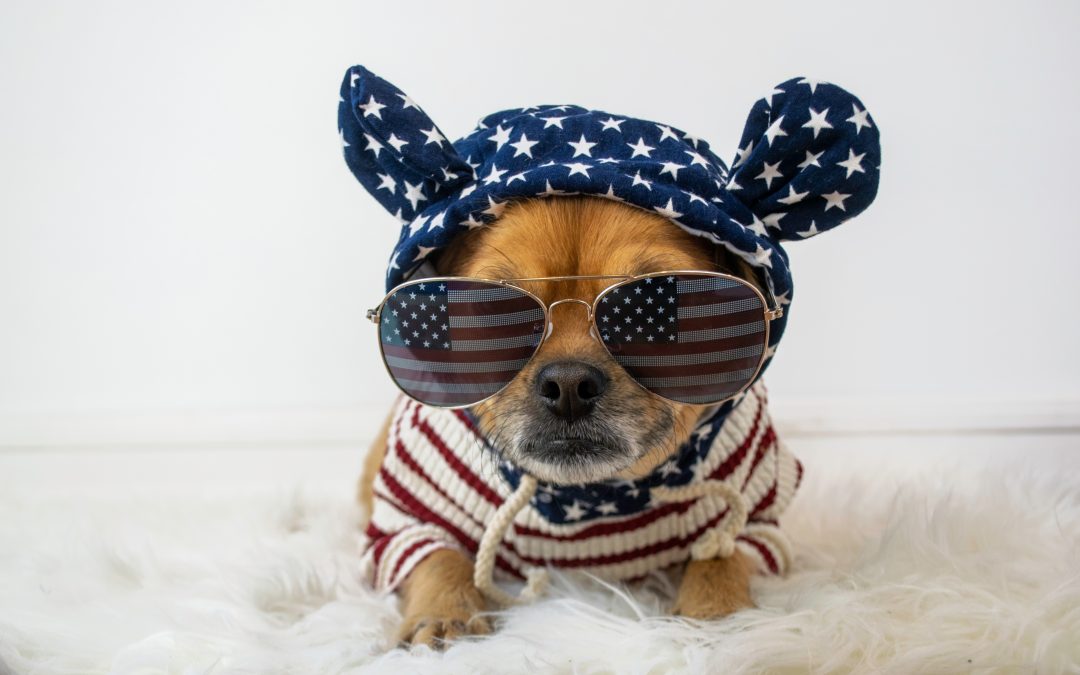
Is your furry friend afraid of fireworks? Summer in Los Angeles is filled with parties, barbecues, and fireworks shows. Dogs and fireworks are often an incompatible pair, as most of our canine companions consider them an ear-splitting, unwelcome source of stress.
The unexplained loud, booming noises and bright flashing lights can be confusing for our pets and may even cause them to try to escape. In fact, more pets run away on Independence Day than on any other day of the year. So, before the 4th of July arrives, pet parents should know how to help their dogs feel safe during the celebration.
Some advanced planning can make a world of difference for your pup. This guide will provide you with a comprehensive strategy for preparing your pet for the big event. Learn expert tips to keep your dog calm during fireworks from Pawsitive K9 Solutions in Los Angeles.
Why Are Dogs Afraid of Fireworks?
Dogs have impeccable hearing and can hear frequencies we cannot. According to the American Kennel Club, “When sounds are between 3,000 and 12,000 Hz in frequency, dogs’ ears are far more sensitive than ours.” If your dog comes running when they hear you open the treat bag, they will be even more sensitive to the sound of fireworks.
The explosive, earth-shaking sound of fireworks is physically painful for dogs. Also, while people expect fireworks on the 4th of July, our furry friends do not understand why these noises suddenly burst into the air. Since they have no idea why this happens, their fight-or-flight response gets triggered. The ASPCA has listed some fireworks-related symptoms in dogs:
- Red blood cell dysfunction (when ingested)
- Muscle and nerve dysfunction (extreme panic)
- Gastrointestinal issues (vomiting and diarrhea)
- Fear and anxiety (elevated blood pressure and heart rate)
The ASPCA also notes that “Nearly one-in-five pets first go missing after being scared by the sound of fireworks, thunderstorms, or other loud noises.” Since dogs rely on their safe, predictable routines, your pup’s delicate ears cannot withstand the random, irregular rhythm of fireworks, as they cannot anticipate what will happen next.
Additionally, the nerve-wracking sensory overload precipitated by the booming sounds, blinding lights, and the smell of smoke is overwhelming for your fur baby. In other words, your dog is hearing, seeing, and smelling things that do not make sense to them.
Plus, due to your four-legged friend’s exceptional hearing, even a distant firework is a deafening, terrifying explosion to them, triggering a surge in stress hormones, such as cortisol, and giving them the immediate instinct to run and hide from what they perceive as a threat.
Signs Your Dog is Stressed by Loud Noise
Since your canine companion’s hearing is highly sensitive, they perceive loud, unpredictable sounds, such as fireworks, as threatening. Dogs show that loud noises stress them through clear behavioral and physical changes. Recognizing the signs of stress in your pet can help you support them before their anxiety reaches excessive or overwhelming levels:
- Excessive drooling
- Barking more than usual
- Trying to escape or run away
- Sudden loss of appetite or refusal of food
- Indoor accidents, such as soiling in the house
- Restless behavior, such as trembling or pacing
- Clinging to your side like a Velcro-dog for safety
- Destructive behavior, such as chewing or digging
Awareness of your dog’s signs of fear and anxiety is the first step toward helping them stay calm during fireworks or other loud sounds. Keep in mind that the signs of fear and stress can range from mild to strong. It is also important to remember that when your pet displays these signs, they are not misbehaving; they need your support to feel reassured and secure.
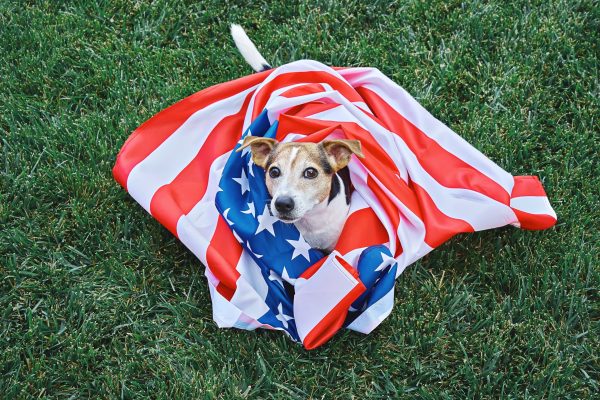
How to Prepare Your Dog for Fireworks Before the Big Night
Preparing your dog for fireworks requires a structured routine to keep your furry friend calm before the fireworks begin. The key to calming anxious dogs is desensitization. In the days leading up to the holiday, gradually get your pup used to louder sounds.
Start Desensitization Beforehand
For example, you can play a YouTube video of a fireworks display starting weeks in advance. Play the video at a low volume at first. Try pairing the positive reinforcement method with desensitization by offering them yummy treats as you gradually increase the volume over several sessions. Only raise it as loud as your dog can handle, paying attention to their body language for cues.
The goal is to build a positive association where the loud, startling noises are linked to positive experiences. It requires pairing the sounds with high-value treats, such as small pieces of chicken, cheese, or steak. Or give them their favorite doggie treats. If your dog seems frightened, comfort them in a reassuring voice or give them some pets and affection.
Create a Safe Space
Pick a secure, comfortable space in your home where your dog can easily retreat when the display begins. You can also use a crate to prevent escape and place some of your dog’s favorite items, such as a soft, cozy blanket, into it. Steps to follow to ensure their safety and comfort:
- Cover the sides and top with thick blankets or towels to minimize the loud, crackling sounds and create an obstacle or barrier between the crate and frightening visual flashes
- Familiar background noise, such as a fan or the air conditioner, or even the TV, can drown out the loud booms and bangs
- Place soft, cozy blankets in the crate or something with your scent to make them feel secure
- Place the crate in the room furthest from the windows to prevent flashes of light and sudden bursts
The crate can be your dog’s sanctuary during the unpredictable, thundering booms and jarring sounds. Also, provide them with access to fresh, cold water, food, and their favorite toys. Only close the crate if your dog is at risk of escape. Closing the crate may prevent your pup from exhibiting destructive behavior.
Exercise Your Dog Before Fireworks
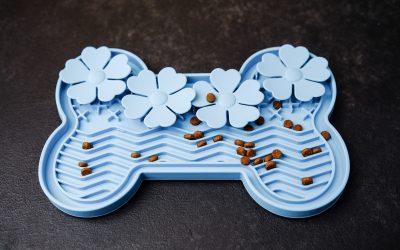
Exercise reduces stress, and walking your canine companion beforehand will help them keep calm during the fireworks and prevent last-minute potty breaks outside or during the celebration. Plus, physical activity may make them sleepy. Additionally, a tired pup is typically more receptive to calm-based strategies to minimize stress. Implementing mental stimulation, such as snuffle mats or food puzzles, can also help to exhaust your dog.
Both physical and mental activity trigger the release of calming brain chemicals, such as endorphins, which put your furry friend into a relaxed state and lower their fight-or-flight response. A fun play session or a long walk can help burn off excess energy and work wonders in easing your dog’s stress and tension.
Confirm ID Tags and Ensure Your Dog’s Microchip is Updated
According to the American Kennel Club, “More dogs go missing during the Fourth of July than any other time of year. If your dog makes a run for it, make sure their identification is current.” Fireworks anxiety in dogs is very common. Here are some tips on what to do to help ensure a safe return if your dog decides to bolt due to fear of fireworks:
- Make sure collar ID tag contact information is up to date
- Ensure your pet has a microchip for identification in case the ID tag or collar falls off, as it holds a unique ID number that links directly to your contact information.
- Share your new contact information with the local pet recovery service so shelters or rescue groups can reach you immediately if your pet is found.
- Always keep a current, high-quality photo of your pet with you handy to help prove ownership.
Microchips and ID tags are the most effective and highly recommended tools for creating joyful reunions between pets and their families. Since dogs and cats are often frightened by fireworks, they may run off and slip out of their collars. However, a microchip stays with them for life.
What to Do During Fireworks to Kee Your Dog Calm
Fireworks often frighten and stress dogs out due to their loud, booming, threatening sounds and visuals. However, there are many proven ways to help pets cope, especially for nervous dogs and cats. For example, speaking to them in a soothing voice and playing calming music both provide a peaceful release. Below are some tips on how to prepare your dog for fireworks:
Talk to and Reassure Your Dog
The kindest way to keep your dog calm during fireworks is to keep them home on the Fourth of July. You should also speak to your furry friend in a soft, sweet voice to reassure them. Gently pet them to soothe and comfort them. Your familiar voice creates emotional warmth and a sense of safety for your pet.
Dogs and cats mirror our emotions, and speaking to them in a calm, gentle tone lets them know that they are safe and loved. Reassurance also engages their relaxation response when paired with gentle petting. Long, slow strokes along their sides and back can help lower their heart rate and ease anxiety.
White Noise Fan and Calming Music
A white-noise fan produces sound and vibration that can help mask sudden, loud, or scary sounds for pets. If your dog fears loud noises, continuous background noise can mask explosive, unpredictable triggers, preventing a fight-or-flight response and allowing them to remain calm and composed.
Calming music also helps to relax pets by lowering their heart rate and making them feel safe. Certain music has a therapeutic effect on our four-legged friends. Scientific studies have shown that soothing music, such as classical or soft rock, can significantly reduce stress hormones and help prevent anxiety.
Consider a Snug Anxiety Wrap
If your dog is afraid of the loud booms and bangs of fireworks, you may want to consider a snug anxiety wrap or a Thundershirt. Reader’s Digest suggests, “A calming vest, such as a Thundershirt, can be beneficial for some dogs with anxiety. The pressure on their body can release natural endorphins that are calming.”
An anxiety wrap or Thundershirt may feel like a comforting hug or a baby swaddle, applying gentle, constant pressure around the torso. Deep compression works the same way in both infants and animals, soothing the nervous system and releasing endorphins that can slow your dog’s heart rate and relieve anxiety. The snug fit helps distract your dog from the unpredictable sounds of fireworks.
Keep Doors, Windows, and Gates Secured
Keep your dog indoors during the fireworks. Also, secure doors, close windows, and keep gates and fences secured and locked during the big night. Your four-legged friend may be so scared that they dig, jump, or even break through window screens to escape, putting them at risk of getting lost, running into dangerous traffic, or getting injured.
It may even be ideal to protect your pet by keeping them contained in a crate during the fireworks. Being enclosed in a familiar space keeps them safe and provides a welcome retreat, especially when you add a blanket, a water bowl, and their favorite toys. Crates create a haven for your pet and prevent “furry flight risks” from escaping.
What to Do During Fireworks to Keep Your Dog Calm
If your dog’s fear response is severe or escalates, or if it results in destructive behavior, you may want to consider anxiety training for dogs in Los Angeles. A certified trainer can guide you through desensitization and counterconditioning training in a positive environment. K9 Pawsitive Solutions helps solve unwanted behaviors, such as:
- Lunging
- Barking at other people and dogs
- Biting
- Pulling on a leash
- Hyperactivity
- Recall (not coming when called)
- Indoor potty accidents
- Jumping on you, other dogs, and visitors
- Mouthing
- Chewing
- Counter surfing
- Communication issues
At K9 Pawsitive Solutions, your dog will work one-on-one with a certified trainer. We can offer you recommendations to help with your dog, along with effective, practical solutions for unwanted behaviors. A trainer can help your canine companion become less reactive. Gradual exposure to fireworks lessens fear.
Training helps your dog become more familiar with the noises that scare them. By pairing high-value treats with a YouTube video or a recording of fireworks, and starting at a low volume and gradually increasing it over time, your dog will build a more positive association with fireworks. Your furry friend will eventually learn that the booming sound means that a yummy reward is coming.
What to Do if Your Dog’s Anxiety is Severe?
If your dog’s anxiety is severe or if you have tried some or all of these solutions without any success, you can speak with your vet about possibly trying a canine anti-anxiety medication. Some dogs can be gradually weaned off medication as they learn through desensitization and counterconditioning.
Sileo, for example, is the first FDA-approved canine anti-anxiety medication, which is an oral gel specifically designed to treat fear and anxiety triggered by loud sounds like thunder or fireworks. You can talk to your vet a few weeks before the Fourth of July to start an anti-anxiety medication or combine medication with behavioral training.
Beyond the Booms and Bangs: How K9 Pawsitive Solutions Can Help Keep Your Canine Calm on the Fourth of July
If your dog is sensitive to the booms and bangs of Fourth of July fireworks, or to any other noise anxiety, K9 Pawsitive Solutions is here to help. We provide the best solutions for dog noise phobia in Los Angeles and offer private training programs customized for your dog’s unique fears and triggers. You should not wait until the holiday to start preparing your pup for the big show.
Planning before Independence Day is the key to success. Remember, the Fourth of July is the day when many pets go missing. Fireworks can be confusing and traumatic for pets. It is your job as a pet parent to make them feel safe. Book a spot with K9 Pawsitive Solutions to improve your pup’s behavioral issues and anxiety.
For the best fear and anxiety behavioral training in Los Angeles, book a session with K9 Pawsitive Solutions. We will help your furry friend learn through positive reinforcement to stop associating the booms and bangs with fear and start to realize that booms signal a buffet of yummy bites, such as chicken, cheese, and steak, are in their immediate future!

Recent Comments