
Last Updated on July 4, 2026 by The Virtual Petpreneur
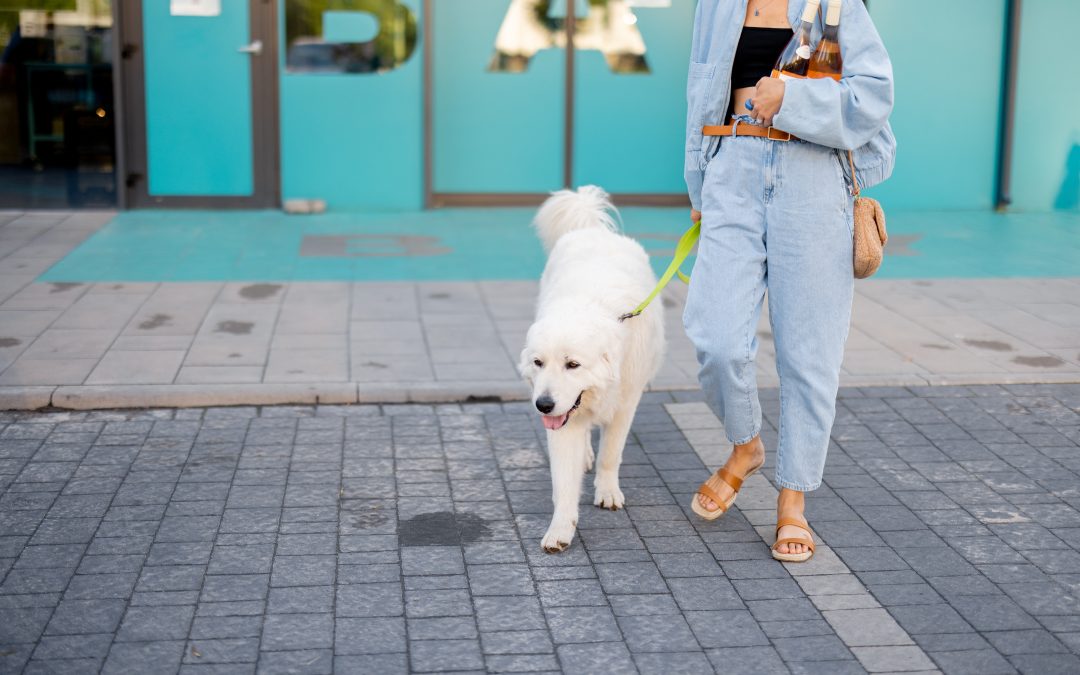
Loose-leash walking in busy city environments can be frustrating, especially when your dog pulls toward every sound, movement, or distraction. In a city like Los Angeles, where sidewalks are crowded and stimulation is constant, even a short walk can quickly become overwhelming. The good news is that leash pulling is not a permanent behavior. With the right training approach, structure, and consistency, your dog can learn to walk calmly and confidently by your side in real-world settings.
Many dogs pull on the leash because they are overstimulated or unsure how to respond to their environment. Others have never been taught what is expected of them during a walk. When you build a strong foundation before adding distractions, leash training becomes much clearer for your dog.
Loose Leash Walking in Busy City Environments Starts with the Right Foundation
Before working in high-distraction areas, it is important to establish clear communication in calm environments. Dogs need to understand what a loose leash means before they can succeed on a busy street.
Pulling often develops when dogs learn that tension on the leash still allows them to move forward. If a dog pulls and continues walking, the behavior becomes reinforced. Over time, this creates a pattern where pulling feels normal.
Structure is essential at the beginning. Training should start in quiet areas where your dog can focus without constant interruption. This allows you to teach engagement, positioning, and calm movement before introducing more complex environments.
Why Dogs Pull on the Leash in Busy City Environments
Leash pulling is not simply disobedience. It is often rooted in instinct and environmental pressure.
One key factor is the opposition reflex. This natural response causes dogs to push against pressure rather than yield to it. When the leash tightens, many dogs instinctively pull harder.
In addition to instinct, city environments amplify the problem. Dogs are exposed to constant movement, noise, and scent. Traffic, pedestrians, other dogs, and unexpected sounds all compete for attention. When a dog becomes overstimulated, pulling becomes a way to move toward or away from these triggers.
Understanding why your dog pulls helps shift the focus from correction to communication. Instead of trying to stop the behavior directly, you teach your dog what to do instead.
Why Bungee Leashes Can Make Loose Leash Walking Worse
Equipment can influence behavior more than many people realize. While bungee leashes may seem comfortable, they often make leash training more difficult.
A bungee leash creates constant tension. This tension can trigger the opposition reflex, encouraging your dog to pull rather than relax. Because the leash stretches, it also reduces clarity. Your dog receives mixed signals about when the leash is loose and when it is not.
Clear communication is essential for learning. A standard leash provides consistent feedback, making it easier for your dog to understand expectations.
Set Your Walks Up for Success in Busy City Environments
Training success begins before you step outside. Setting up each walk with intention creates better outcomes.
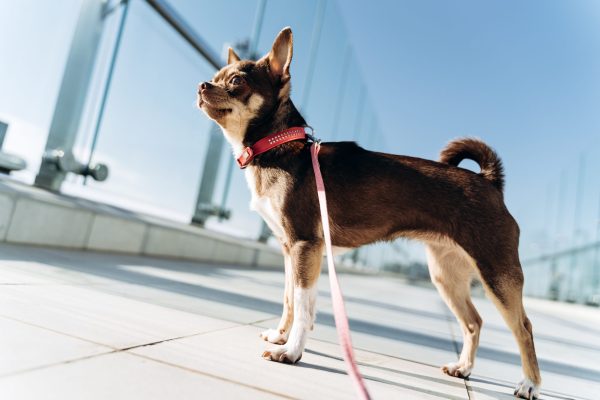
Start in low-distraction areas such as quiet streets or open spaces. Build engagement before movement by asking your dog to focus on you. Simple exercises like name recognition and eye contact create connection.
Keep sessions short and structured. Reward calm behavior and attention early and often. As your dog improves, gradually introduce more challenging environments.
This concept becomes much easier to understand when you see it in action. Watching how engagement is built before movement can help clarify timing, positioning, and reward placement.
By controlling the environment and pace of training, you give your dog the opportunity to succeed rather than struggle.
Step-by-Step Loose Leash Walking Training Plan
A clear progression makes training easier for both you and your dog.
- First, teach engagement and focus. Your dog should be able to check in with you regularly, even in mildly distracting environments.
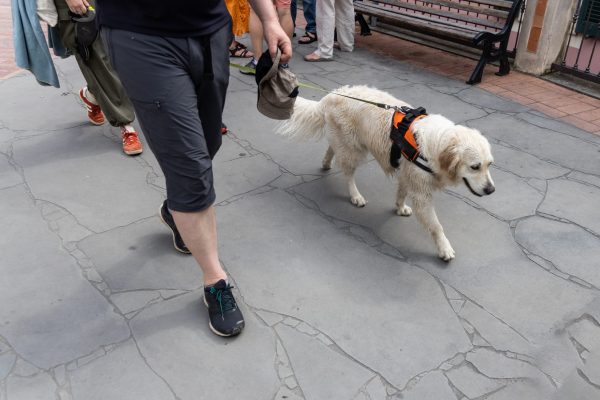
- Next, reward position and a loose leash. Reinforce moments when your dog walks beside you without tension. Timing matters. Rewards should come as the leash remains slack, not after pulling.
- Then, gradually increase distractions. Move from quiet areas to moderately busy streets, then to more active environments. This progression helps your dog build confidence without becoming overwhelmed.
- Finally, generalize the behavior to real-world environments. Practice in different locations, at different times of day, and around different types of distractions. Consistency across environments is what creates lasting results.
Mastering Calm Walking in Real Life Situations
Loose leash walking is not just about movement. It is about emotional control and calm behavior.
Reinforce calmness, not just position. If your dog slows down, relaxes, or checks in with you, acknowledge it. These moments build the mindset you want during walks.
Use consistent timing with rewards. Immediate feedback helps your dog understand what behavior is correct. Over time, you can reduce treats and rely more on praise and routine.
When your dog learns that calm behavior leads to positive outcomes, walks become more enjoyable and predictable.
Common Mistakes That Slow Progress
Many training challenges come from small but consistent mistakes. Studies and training experts consistently show that many common behavioral issues stem from unclear communication, with even small, repeated inconsistencies significantly slowing a dog’s learning.
Inconsistent expectations confuse dogs. If pulling is allowed sometimes but not at other times, your dog will struggle to understand the rules. Moving too quickly into busy environments can overwhelm your dog. Progress should be gradual and based on success, not urgency.
Relying solely on equipment rather than training limits long-term results. Tools can assist, but they do not replace clear communication and consistent practice. Avoiding these mistakes allows training to move forward more smoothly.
Helpful Training Resources for Loose Leash Walking
If you want to deepen your understanding, these resources can help support your training.
- How to Teach Loose Leash Walking — American Kennel Club
- Reward-Based Training: Why It Works — American Veterinary Society of Animal Behavior
- Private Dog Training in Los Angeles — Pawsitive K9 Solutions
Build Calm, Confident Walks in Los Angeles
Loose leash walking in busy city environments does not have to be frustrating. With the right structure, training approach, and real-world practice, your dog can learn to walk calmly and confidently by your side.
If you are tired of being pulled down the street or struggling in high-distraction environments, Pawsitive K9 Solutions is available to help! Private training programs are designed for real-life situations in Los Angeles, not just controlled environments.
Contact us today to schedule your training consultation and start enjoying stress-free walks with your dog.

Recent Comments