
Last Updated on July 4, 2026 by The Virtual Petpreneur
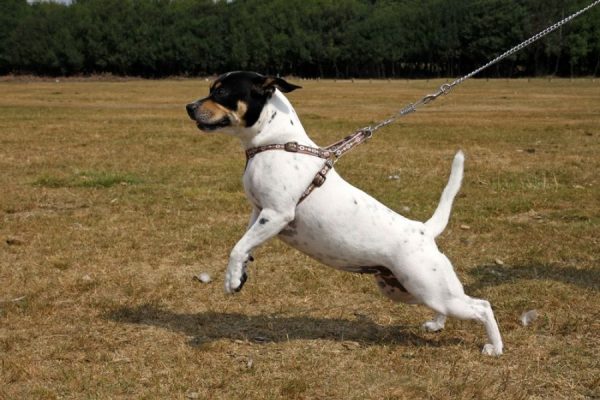
Picture this: you’re strolling through a farmers market in Los Feliz, coffee in hand, when a skateboard rolls past. In half a second, your dog lunges to the end of the leash, barking like the sky is falling. Sound familiar? For most Los Angeles dog owners, everyday life happens in tight, stimulating spaces, such as crowded sidewalks, dog-friendly patios, and packed dog parks. A dog without impulse control can turn a relaxing outing into a stressful tug-of-war.
Teaching your dog impulse control is one of the most powerful tools you can use to shape polite, calm behavior in everyday situations. Whether you’re walking the streets of Los Angeles or entertaining guests at home, impulse control ensures your dog responds appropriately to stimulation, distractions, and excitement.
As the American Kennel Club explains:
“If you teach your dog self-control, they will be more pleasant to live with. A patient dog is better behaved and less demanding.”
Impulse control exercises aren’t just helpful; they’re mentally enriching. Your dog learns that delaying gratification can lead to better rewards, reducing frustration and helping them feel more in control of their environment.
Below are four essential dog impulse control exercises for Los Angeles pet parents, each designed to build calm, confident behavior through consistency and positive reinforcement.
1. Watch Me Cue
Why It Works
This is a foundational cue that builds eye contact and focus in distracting environments.
How to Train It
-
Ask your dog to sit
-
Say “watch me” and point to your eyes
-
The moment your dog makes eye contact, say your marker word (“yes”) or click, then reward.
-
Gradually increase the amount of time your dog must maintain eye contact before the reward.
Over time, your dog will naturally check in with you during walks, training sessions, or busy outdoor settings—especially helpful in crowded LA neighborhoods. Watch a quick demo HERE.
2. Leave It Cue
Why It Works
This cue teaches your dog to ignore tempting items, whether it’s food on the floor or a stranger’s bag on a sidewalk café patio.
How to Train It
-
In a calm indoor space, place a low-value treat or toy on the ground
-
Say “leave it” as your dog approaches
-
The moment they pause or redirect their attention, reward them with a higher-value treat.
-
Increase difficulty gradually with more tempting items or longer delay times.
This command is handy during walks, at restaurants, or when hosting guests in your Los Angeles home. Watch a quick demo HERE.
3. Red Light/Green Light Game
Why It Works
A fun way to teach dogs to pause and wait, even in high-energy situations.
How to Train It
-
Get your dog excited with a favorite toy
-
At peak excitement, ask for a “sit”
-
Once they sit calmly, give a release cue like “OK”
-
Repeat the game multiple times per session
This is great for reinforcing self-regulation during play, leash walks, or social interactions. It also teaches your dog that calm behavior results in fun, not chaos.
4. Calm Greeting Practice
Why It Works
Helps your dog greet humans politely without jumping, barking, or overexcitement.
How to Train It
-
Use a leash or tether to prevent lunging
-
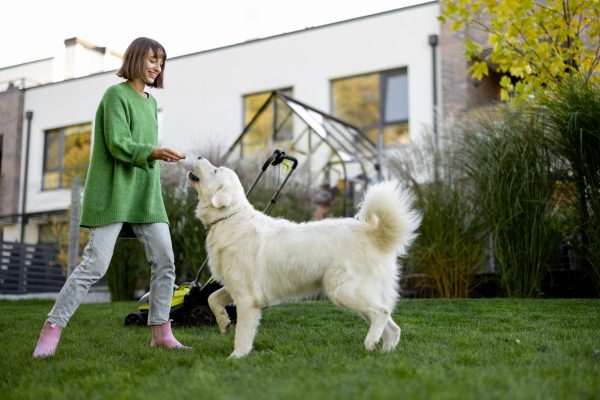
Ask your dog to “sit” and “wait” when someone approaches
-
Ignore the dog until they hold the calm position for 15+ seconds
-
Then reward with attention, pets, or a treat
Repeat this with household members first, then practice with friends or neighbors. Over time, your dog will learn that staying grounded brings better outcomes than jumping for attention. Watch a quick demo HERE.
As WebMD Pets notes, dogs tend to repeat behaviors that are rewarded, even unintentionally. So, ignoring jumping while rewarding calmness is essential. You can learn more about preventing jumping HERE.
Signs Your Dog May Need Impulse Control Training
Not sure if your pup needs extra work in this department? A few common red flags: jumping on guests, pulling hard toward other dogs or squirrels, guarding food or toys, bolting through open doors, or struggling to settle down even after a long walk. According to the ASPCA, many of these behaviors come down to a dog’s difficulty managing arousal and delaying gratification, not stubbornness or “bad” training. The encouraging part: with consistent practice using the exercises above, most dogs can learn to check in with their handler and choose calm over chaos, even in a city as lively as Los Angeles.
Impulse Control for Dogs = a Calmer Life in Los Angeles
The Benefits
-
Reduces leash pulling, reactivity, and resource guarding
-
Helps your dog navigate busy streets, patios, and city life
-
Makes social situations and public outings less stressful
-
Creates a dog that looks to you for cues rather than acting impulsively
Impulse control training also strengthens your relationship by reinforcing that good things come from listening and staying calm.
Get Professional Help With Dog Impulse Control in Los Angeles
If you’re feeling stuck or want expert support in teaching your dog these vital life skills, Pawsitive K9 Solutions is here to help. Our Los Angeles-based dog training programs include:
-
One-on-one coaching for impulse control
-
Group training sessions for distraction-proof obedience
-
Puppy Day School to teach calm behavior early
-
Customized training plans for high-end households, busy families, and urban lifestyles
We use positive reinforcement methods backed by science and compassion. Whether your goal is a relaxed family dog or a well-mannered city companion, we’ll help your pup succeed.
Already working with an adult dog who needs one-on-one guidance? Our private training programs are built around real-life distractions like busy sidewalks, dog parks, and house guests. Raising a puppy instead? Our Puppy Day School builds these same skills early, in a safe, structured setting alongside other pups.
Don’t wait for the next jump, lunge, or blown-past “leave it” to take action – a calmer, more confident dog is closer than you think. Contact Pawsitive K9 Solutions today to schedule your 90-minute consultation, and let’s build better behavior together, one pawsitive step at a time.

Recent Comments