
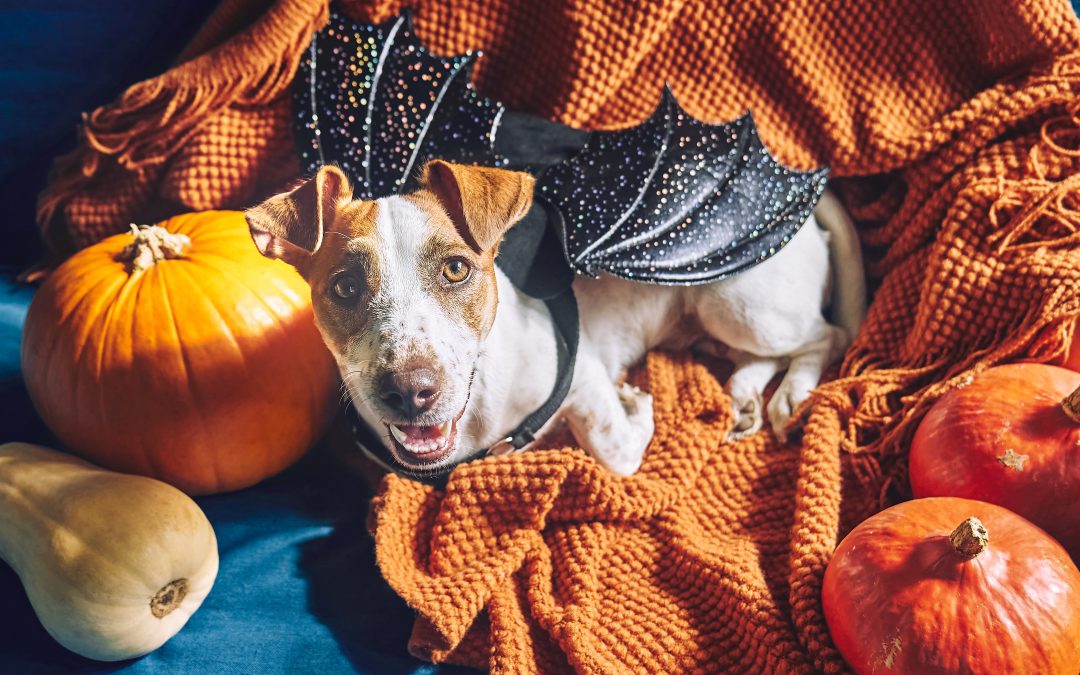
Halloween Dog Training in Los Angeles: Behavior or Costume Malfunction?
Is it a behavior problem or a costume malfunction? When your dog starts barking at trick-or-treaters, refuses to wear their adorable Halloween outfit, or makes a run for the door, it can be difficult to tell whether the costume or the chaos is causing the problem.
Halloween is one of the most stimulating nights of the year for dogs. Strangers appear in unusual clothing, doorbells ring repeatedly, decorations move unexpectedly, and tempting candy is everywhere. Even a dog with excellent everyday manners may struggle with so many unfamiliar experiences happening at once.
Fortunately, Halloween dog training does not have to begin when the first trick-or-treater arrives. With positive reinforcement, gradual exposure, and thoughtful preparation, you can help your dog navigate the festivities with confidence. Whether you are hosting a Halloween gathering in Santa Monica or welcoming trick-or-treaters to your Los Angeles home, a little advance training makes the celebration more enjoyable for everyone.
The short answer: to train your dog for Halloween, start costume practice early, teach a calm doorbell routine on a mat, give your dog a quiet retreat away from the front door, and practice leave it with safe items. Keep candy out of reach and keep your dog away from the door while trick-or-treaters visit.
How Do You Train a Dog to Wear a Halloween Costume?
Your dog may look adorable dressed as a pumpkin, but the perfect Halloween costume is one they can wear comfortably. Introducing an unfamiliar outfit on Halloween night, when excitement is already high, adds unnecessary stress to an overwhelming situation.
Ideally, begin costume training several weeks before the holiday. Let your dog sniff and investigate the outfit, rewarding curiosity with treats and praise. Gradually introduce individual pieces before attempting the complete costume. Keep sessions short and remove the outfit before your dog becomes uncomfortable.
The American Kennel Club recommends introducing costumes gradually and prioritizing your dog’s comfort. Costumes should never restrict breathing, vision, hearing, or movement. Avoid dangling accessories, small detachable decorations, and materials your dog may chew or swallow. The ASPCA’s Halloween safety tips add that you should not dress a pet in a costume unless you know they love it.
For more on this topic, see our guide to dog Halloween costume training in Los Angeles.
Signs Your Dog Is Uncomfortable in a Costume
Watch for freezing, excessive panting, pawing at the outfit, or repeatedly attempting to remove it. These behaviors may indicate discomfort rather than disobedience.
Remember, a festive bandana or seasonal collar can be just as charming as an elaborate costume. Your dog’s comfort should always come before the perfect Halloween photo.
Short on Time? Use This 10-Day Plan
If Halloween is only days away, a focused plan can still help:
- Days 1 to 2: Let your dog sniff the costume and reward curiosity. Introduce one piece at a time for a few seconds.
- Days 3 to 5: Practice a recorded doorbell at low volume, pair it with treats, and guide your dog to a mat.
- Days 6 to 8: Practice “leave it” with safe items and visit the quiet retreat space on ordinary evenings.
- Days 9 to 10: Run a short rehearsal with a helper in a simple costume ringing the real doorbell.
- Halloween night: If your dog seems stressed, let them relax in the retreat room instead of greeting trick-or-treaters.
How Do You Train Your Dog for the Doorbell and Trick-or-Treaters?
For many dogs, the doorbell is already exciting. On Halloween, repeated ringing and unfamiliar visitors can turn that excitement into persistent barking, jumping, or rushing toward the entrance.
Doorbell training teaches your dog what to do when someone arrives, rather than simply reacting to the sound.
Step-by-Step Doorbell Practice
Start by practicing with a recorded doorbell at a low volume. Pair the sound with a treat, then guide your dog to a designated mat or comfortable resting spot. Gradually increase the volume and introduce a helper who can ring the actual doorbell.
For a more detailed approach, explore our guide to teaching your dog to settle.
Once your dog understands the routine, practice with a friend wearing a simple costume. Gradually introduce more unusual outfits, and always let your dog observe from a comfortable distance.
Keep the Front Door Secure
Masks and unfamiliar clothing can make people difficult for dogs to recognize. Never force greetings with trick-or-treaters, particularly if your dog shows signs of fear or reactivity.
Even with excellent training, keep your dog securely away from the doorway when answering it. Halloween brings frequent opportunities for an excited or frightened dog to slip outside. The ASPCA recommends keeping pets, except the most social ones, in a separate, comfortable room away from the front door during peak trick-or-treating hours.
How Do You Create a Quiet Retreat for Your Dog on Halloween?
Not every dog wants to participate in Halloween festivities, and that is perfectly fine. A quiet retreat lets your dog step away from the excitement before stress escalates.
Choose a comfortable room away from the front door and busy gathering areas. Include familiar bedding, fresh water, favorite toys, and appropriate enrichment activities. Soft background music or white noise may help reduce the impact of repeated doorbell rings.
The important part is making this space familiar before Halloween arrives.
Practice guiding your dog there on ordinary evenings, rewarding calm behavior, and letting them relax without interruption. This creates a positive association rather than making the space somewhere they go only when overwhelmed.
Our article on creating and using a safe space for your anxious dog offers additional guidance for establishing a comfortable retreat. If your dog prefers spending Halloween in their quiet space, respect that choice. A peaceful evening away from trick-or-treaters is just as successful as calmly participating in the celebration.

How Do You Keep Your Dog Safe Around Halloween Candy?
Halloween introduces plenty of temptation. Bowls of candy, dropped wrappers, unfamiliar decorations, and visitors carrying treats can challenge even a well-trained dog’s impulse control.
Teach a Reliable Leave It
Teaching a reliable leave it cue helps your dog understand that not every interesting object is available for investigation.
Begin with low-value items in a quiet environment. Reward your dog for disengaging and looking toward you instead. Gradually practice with more tempting objects, always using safe training materials rather than actual Halloween candy.
You can also incorporate short games that reinforce patience, attention, and thoughtful decision-making. Our 10 impulse control games to play with your dog provide practical exercises to work into your Halloween preparation.
Chocolate and Xylitol Warning
Training is important, but it never replaces proper candy storage.
The ASPCA warns that chocolate in all forms is dangerous for dogs, especially dark or baking chocolate, and that sugar-free candies containing xylitol can cause serious problems in pets. Keep all candy securely out of reach, collect discarded wrappers promptly, and remind guests not to share their treats. If your dog consumes potentially toxic candy, contact your veterinarian or an emergency veterinary service immediately.
For additional precautions, review our Halloween safety tips for dogs in Los Angeles and our list of toxic foods for dogs in Los Angeles.
When Halloween Reveals a Bigger Behavior Issue
Sometimes Halloween exposes challenges that are already present in everyday life. A dog who becomes intensely fearful around costumes may also struggle with unfamiliar people or unexpected changes in their environment. Persistent barking at the door may reflect difficulty settling, while frantic reactions to visitors may indicate fear, frustration, or overexcitement.
These behaviors can show where your dog needs extra support.
If your dog cannot relax despite gradual preparation, avoid forcing them to participate. Instead, consider working with a professional trainer who can identify triggers and develop an individualized training plan. Pawsitive K9 Solutions offers private training and Board and Train programs designed to address specific behavioral challenges through structured, positive reinforcement methods. Private consultations are particularly valuable for Los Angeles pet parents who want personalized guidance around household routines, visitors, social events, and the unique demands of their lifestyles.
The goal is not simply to get through Halloween. It is to develop skills that support calmer behavior throughout the year.
Make Halloween a Treat, Not a Training Nightmare
A successful Halloween is not measured by how long your dog wears a costume or how many trick-or-treaters they greet. It is measured by their ability to feel safe, respond to familiar cues, and remain comfortable throughout the evening.
Starting early gives you time to build positive associations with costumes, practice doorbell manners, reinforce impulse control, and establish a quiet retreat before the festivities begin. If your dog struggles with excitement, barking, fear, or unfamiliar visitors, Pawsitive K9 Solutions can help you prepare with a personalized Halloween dog training plan.
Our Los Angeles private training programs focus on practical, compassionate solutions that fit your dog’s needs and your family’s lifestyle.
Ready to make this Halloween less frightening and more enjoyable for your dog? Contact Pawsitive K9 Solutions or call (310) 596-1618 to schedule a consultation before Halloween on Saturday, October 31, and give your dog the skills they need for a calm, confident celebration.

Recent Comments